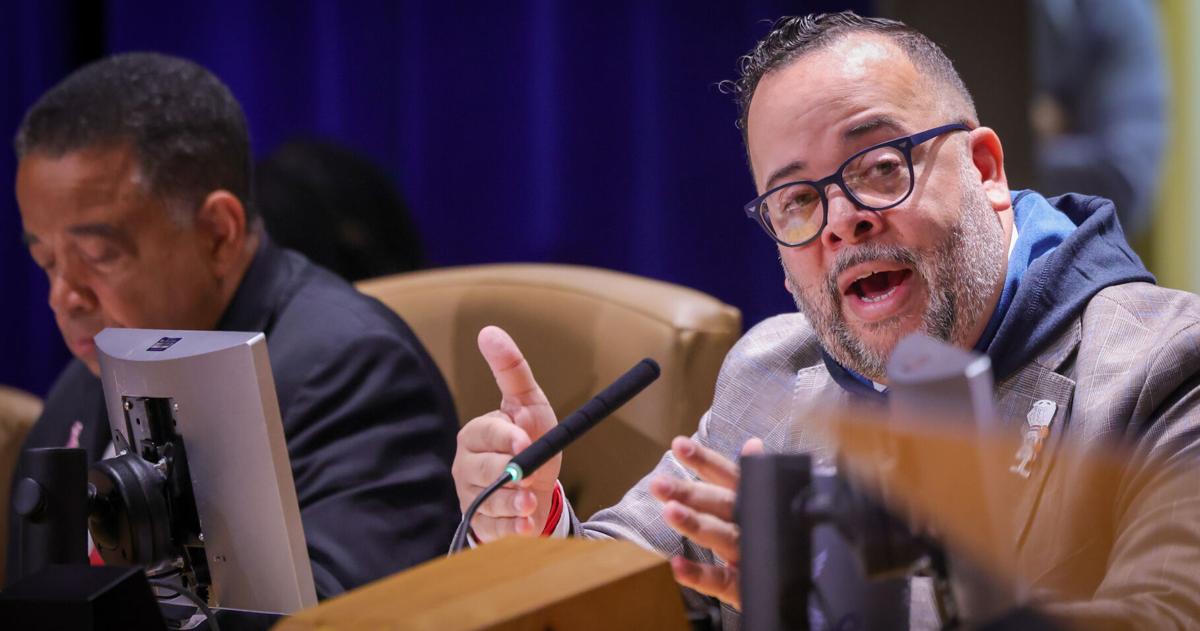
New Orleans Abandons $125M Bond Proposal as Officials Push Back on State Takeover Threats
New Orleans’ financial future just took another sharp turn this week. City officials announced Wednesday that they’re backing off a $125 million bond proposal that was meant to plug budget holes and stabilize public services. The move came right as tension between city leaders and state officials hit a high, with rumblings of a potential state takeover floating in the background.
Why the Bond Deal Got Cut
For weeks, Mayor LaToya Cantrell’s team had been considering tapping into bond markets to help offset financial stress from a growing deficit and slow revenue recovery post-pandemic. But when city councilmembers and fiscal watchdogs raised concerns about long-term debt and high interest costs, that momentum came to a halt. Instead of doubling down, the city pulled back—likely to avoid giving state leaders more reason to question New Orleans’ ability to manage its own affairs.
One insider put it plainly: “You don’t wanna look broke when the state’s watching.” By shelving the bond proposal, city officials might’ve avoided giving Baton Rouge an easy excuse to swoop in and take over portions of the city’s financial operations.
What’s Behind the Takeover Talk
The threat of state intervention isn’t new, but it’s been heating up lately. Louisiana lawmakers and some state-level agencies have been scrutinizing New Orleans’ spending, debt management, and even its public safety management. With statewide elections always around the corner, the politics can get messy fast.
While the exact shape of a takeover hasn’t been made clear, it could mean anything from the state controlling certain budget decisions to a state-led board overseeing city recovery programs. For New Orleans—a city built on self-reliance and cultural vibrancy—that prospect doesn’t sit well with anyone local.
Community Concerns & Fiscal Reality Checks
Folks on the ground are watching all this unfold with equal parts frustration and fatigue. Many residents just want to see potholes filled, streetlights fixed, and safety improved—without the added drama of city-state political tussles. However, pulling out of the bond proposal raises real questions: How will the city fund these improvements now? What happens next fiscal quarter if revenue projections don’t meet expectations?
Some analysts argue that a more measured spending plan and strategic partnerships could ease the crunch without taking on new debt. Others say postponing investment will just slow progress when federal grants eventually dry up. Either way, the city has to prove it can run lean while still delivering for its people.
Why Going Viral Matters in 2025
This story may seem local, but it’s blowing up on social media—and for good reason. From TikTok threads to X (formerly Twitter) debates, the conversation has crossed state lines. Folks are dissecting what New Orleans’ financial struggles symbolize for urban centers everywhere. In a world where viral news drives public opinion faster than any press conference, narratives matter as much as numbers.
For anyone tracking entertainment updates and cultural politics, this isn’t just another municipal budget story—it’s a live case study in how perception shapes power. When your local story hits the timeline, it can either spark empathy or ridicule. Right now, New Orleans is walking that fine line, trying to shape its own narrative before someone else does.
The Bigger Picture
What happens next could redefine how cities across the country manage their finances under state oversight pressures. It’s a reminder that local control depends not just on dollars and cents, but on public trust and political will. New Orleans may have dodged a takeover—at least for now—but the real challenge will be finding sustainable solutions that don’t compromise the city’s independence.
Whether you’re a policy watcher, a native New Orleanian, or just someone who loves this city’s unbreakable spirit, you can feel the tension in the air—and the urgency to get it right this time.
Tap in and stay updated with the latest buzz—because what happens in The Big Easy could set the tone for how America’s most iconic cities fight to stay in control of their own destiny.


Leave a Reply