U.S. Supreme Court Sets Date in Louisiana Coastal Fight — Billions Could Be at Stake
The U.S. Supreme Court has officially stepped into one of Louisiana’s highest-stakes legal showdowns — a battle that could reshape how environmental damage claims against the oil and gas industry move forward. With nearly $745 million already on the table, this case isn’t just about wetlands and pipelines — it’s about who pays the price for the disappearing coast that locals depend on.
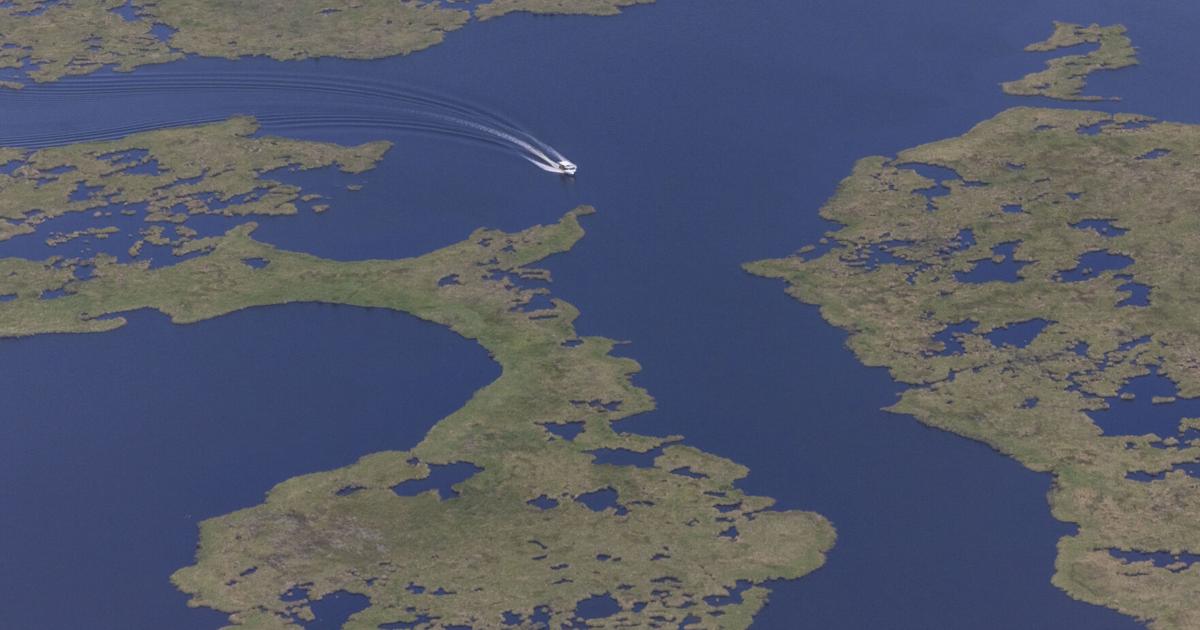
Down in the bayous and neighborhoods of coastal Louisiana, this fight has been simmering for years. Parishes and local governments have filed lawsuits against major oil and gas companies, arguing that decades of drilling, dredging, and canal-cutting contributed to massive land loss and environmental damage. These local entities say the companies ignored agreements meant to preserve wetlands, leaving communities vulnerable to flooding, erosion, and stronger hurricanes.
Why the Venue Matters So Much
The argument now before the Supreme Court doesn’t immediately decide whether oil companies caused the damage — instead, it’s about where these lawsuits belong. Should Louisiana’s state courts handle them, or should they fall under broader federal jurisdiction? That question alone could shift billions of dollars and influence how future environmental cases are fought across the country.
Oil companies are pushing for federal court, saying these conflicts tie into national energy policy and involve permits and regulations under federal law. Local parishes, on the other hand, want the cases to remain in state court, emphasizing that these are local damages tied to local ecosystems. In short, both sides know the courtroom venue could decide the pace, the public attention, and maybe even the outcome of these massive claims.
Why Going Viral Matters in 2025
Now, you might be wondering what all this has to do with viral news and entertainment updates. Well, in today’s digital culture, major legal battles like this one don’t just stay in dusty court transcripts — they trend. They become soundbites, video clips, and shareable moments that hit timelines everywhere. And when we talk about billions of dollars, environmental justice, and big oil all in one sentence, you know it’s gonna grab attention.
As this story spreads, it’s sparking broader conversations about accountability and climate equity. Folks across the South — especially younger generations — are using social channels to break down complex legal talk into simple, powerful narratives about culture, community, and money. That blend of environmental awareness and digital storytelling is exactly what gives stories like this real traction.
In a world where people scroll for truth, credibility, and a little drama, this case checks every box. It’s serious business, but it’s also a reminder that how we talk about justice — and who gets to shape that conversation online — matters just as much as the lawyers in the courtroom.
The Stakes: Coast, Cash, and Community
To put this in perspective, Louisiana has already lost more than 2,000 square miles of land since the 1930s, and experts say it could lose hundreds more in the next few decades if restoration doesn’t accelerate. For residents, this isn’t just about scenic marshes — it’s about livelihoods, family homes, and cultural identity. Fishing, tourism, and community stability are on the line.
If the Supreme Court allows the cases to stay in state court, oil companies could face steep penalties and pressure to settle. If it goes federal, many parishes fear their voices could get drowned out in bureaucratic tug-of-war. Either way, this decision will set precedent for environmental cases across the coastal South and beyond.
What’s Next?
The Supreme Court is expected to hear oral arguments later this year, with a decision likely in the next term. Between now and then, both legal teams will be fine-tuning their strategies — and you can bet every environmental advocate, oil exec, and political observer will be paying close attention.
This isn’t just a Louisiana story anymore; it’s an American one. It’s about how we balance energy needs with ecological duty and who shoulders the cost when the land itself starts slipping away. The outcome could define how corporate accountability is enforced in the age of climate change.
Tap in and stay updated with the latest buzz — because when the Supreme Court talks coastal justice, the whole nation listens.


Leave a Reply