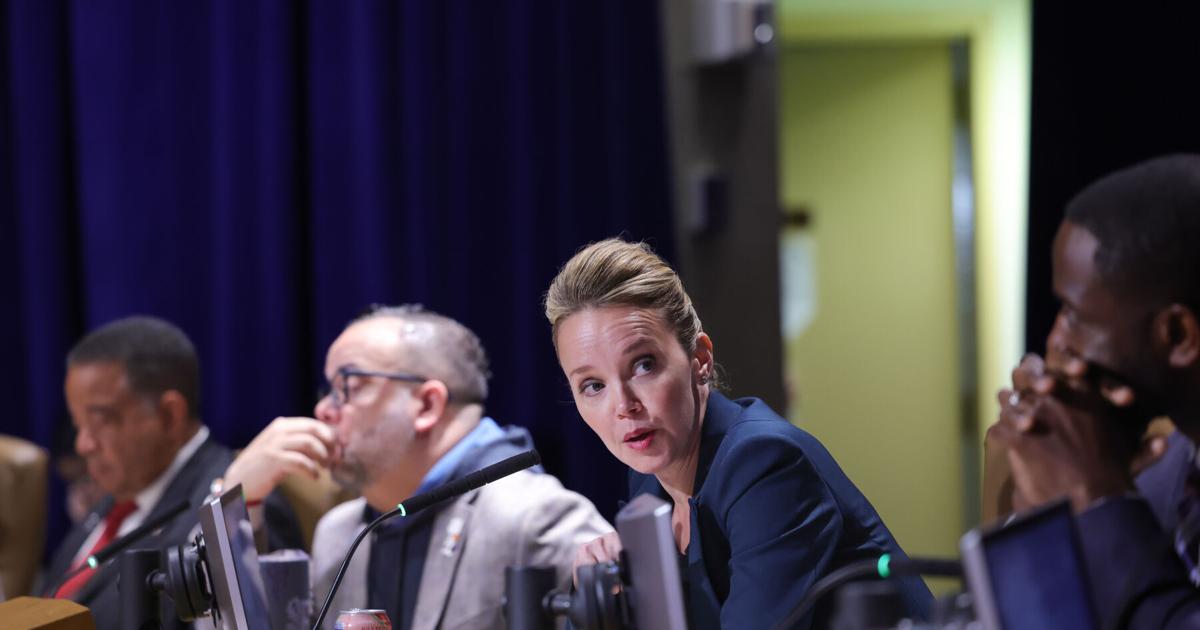
Helena Moreno Says Sharp Cuts Coming to New Orleans Budget in 2026, Including Furloughs
After weeks spent working overtime to make sure New Orleans didn’t run out of cash for payroll, Mayor-elect Helena Moreno is rolling up her sleeves again — this time to face the city’s next financial storm. Her newly released spending plan for 2026 paints a tough picture: deep budget cuts, workforce furloughs, and a renewed push to restore balance to City Hall’s bottom line. And baby, that balance needs some serious love.
Why Going Viral Matters in 2025
Now, before you think this story is just another dry government headline, don’t sleep on how moves like this hit the city culture. Viral news spreads fast — and in this era of real-time entertainment updates, Moreno’s budget talk is already sparking heated conversations across social media feeds. Folks from Uptown to the East want to know: how bad will the cuts be, and what’s this mean for the services everyday residents rely on?
Moreno’s message is straightforward — New Orleans can’t afford to keep spending like the coffers are endless. Over the past year, the city’s reserves have been stretched thin covering basic expenses, including essential worker salaries and infrastructure projects. City departments are being told to tighten their belts, and some city employees could see temporary furloughs. That’s a heavy hit, but Moreno’s trying to frame it as necessary to keep future paychecks rolling without risking layoffs.
The Story Behind the Numbers
So how did NOLA get here? According to Moreno’s transition team, a combination of pandemic recovery costs, inflation, and delayed federal reimbursements left the city cash-poor in late 2025. The Mayor-elect had to work behind the scenes with finance officers and City Council to find creative ways to bridge payroll gaps without borrowing short-term funds at punishing interest rates. In other words, the city was walking on financial fumes.
Her 2026 proposal focuses on closing that gap for good. Expect to see spending limits on non-emergency contracts, caps on travel and event budgets, and a plan to restructure how the city pays out overtime. Moreno says she’s determined to protect critical departments like sanitation, police, and EMS, but warns that smaller divisions might have to share resources or temporarily scale back operations. Now that’s a balancing act that’s bound to stir up debate.
Public Reaction and the Bigger Picture
Social media already buzzing with analysis — from policy heads breaking down the numbers to everyday citizens sounding off on fairness. The viral reaction speaks volumes about how plugged-in folks are to local governance these days. In a world where national headlines dominate, New Orleanians are proving once again that city news can trend too, when people care enough to talk about it.
Some residents are worried about service disruptions, while others appreciate Moreno’s financial transparency and willingness to make hard calls early. Either way, the tension highlights something bigger: in 2026, fiscal responsibility isn’t just a leadership buzzword — it’s the backbone of city trust. To fix things long-term, Moreno’s administration will have to keep that same energy all year, blending accountability with community engagement.
Looking Ahead
As the city heads into a new fiscal year, it’s clear that New Orleans is in for a period of adjustment. If Moreno’s plan works, the city could regain budget stability without devastating layoffs. If not, expect a year of tough choices, public debates, and more viral stories about what happens when local politics meet real-life economics. But as always, this city’s got heart — and if anyone knows how to turn struggle into strength, it’s New Orleans.
CTA: Tap in and stay updated with the latest buzz — because when NOLA talks, the whole timeline listens.

Leave a Reply