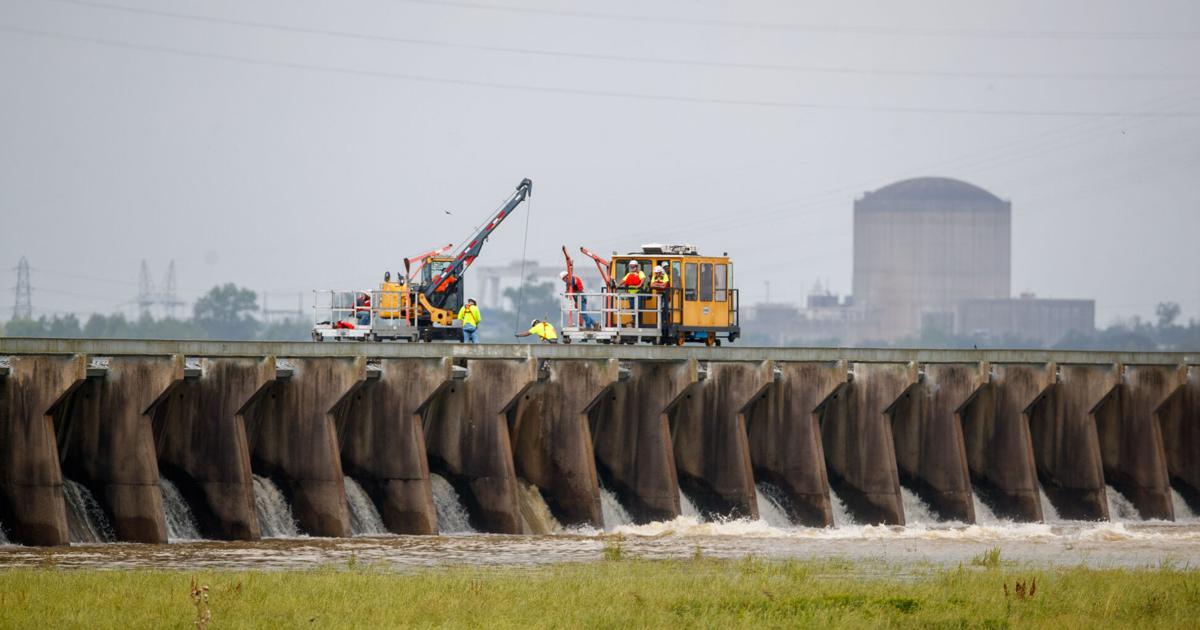
Corps Doesn’t Expect to Open Bonnet Carré Spillway Based on New River Level Forecasts
When it comes to the rhythm of the Mississippi River, it’s all about flow — literally. The U.S. Army Corps of Engineers recently announced that, based on the latest river level forecasts, they don’t expect to open the Bonnet Carré Spillway this season. While that might sound like business as usual, it’s actually a big deal for folks living along the lower river and those keeping tabs on regional flood management.
For some background, the Bonnet Carré Spillway acts like a pressure valve for the Mississippi River. Built way back in the 1930s, its main job is to divert excess water from the river into Lake Pontchartrain when levels get too high, preventing flooding in the New Orleans area. It’s only opened when the river’s flow rates cross certain thresholds — specifically when it threatens to exceed safe levels at the Carrollton Gauge near New Orleans.
Predicted Flow Rates Just Below the Threshold
This year, the Corps said recent data from the National Weather Service shows the river is expected to peak below the 1.25 million cubic feet per second (cfs) mark — the number that typically triggers consideration for a partial or full spillway opening. Translation: the river is high, but not high enough to justify major intervention.
The forecast gives engineers and local leaders some breathing room. With the river rise slowing earlier than expected, it appears spring runoff from up north won’t push water levels past critical points. That’s a sign that nature might be cutting residents and businesses downstream a break this season. Still, the Corps will continue its daily monitoring — because when you’re talking about the Mighty Mississippi, things can change fast.
Why It Matters for Louisiana and Beyond
Even if it sounds like a bunch of hydrology talk, there’s some real everyday impact here. Every time the Bonnet Carré opens, tons of freshwater pour into Lake Pontchartrain, stirring up concerns about water quality, impacts to fisheries, and the health of local wetlands. Keeping it closed means less disruption to lake ecosystems and fewer complications for seafood industries along the coast. And for the city of New Orleans, it’s one less dose of stress about potential flooding.
But it’s not just a local story — this news connects to broader questions about how we handle water management in a changing climate. With rainfall patterns getting more unpredictable and snowmelt starting earlier or later each year, forecasting these river flows becomes its own kind of science-meets-art challenge. The Corps uses a mix of river gauges, precipitation data, and hydrologic models to decide on safety measures, meaning forecasts like these play a huge role in decision-making.
The Long View: Adapting to a Changing River
Here’s the truth — the Mississippi River isn’t the same river our grandparents knew. It’s a dynamic system responding to more frequent extreme weather swings. One year, drought limits navigation; the next, rising waters threaten levees. The fact that the Bonnet Carré Spillway doesn’t need to open this year is good short-term news, but it also highlights the need for ongoing adaptation in how we plan infrastructure, flood response, and coastal protection strategies.
The Corps emphasized that the current forecast could still shift with unexpected rainfall or upstream snowmelt. So while the gates stay closed for now, the team is staying ready, as always. Think of it like keeping your raincoat by the door — just in case.
Wrapping Up
At the end of the day, the Mississippi River is going to do what it does best — flow steady, mighty, and sometimes unpredictable. The Corps’ update shows that careful observation and data-driven planning can go a long way in keeping communities safe while respecting the natural balance of the region.
For residents along the river, this is one less worry as spring moves forward. And for everyone else paying attention to Louisiana’s waterways, it’s a reminder that staying informed about river levels, weather patterns, and infrastructure updates isn’t just smart — it’s essential.
Tap in and stay updated with the latest buzz about our region’s water, weather, and environment. Because when it comes to living alongside one of the most powerful rivers in the world, knowledge really does keep us afloat.


Leave a Reply